Unconventional Prompts to Spark Inspiration in Your Creative Writing Workshop
Recent Trends in Writing Workshop Approaches
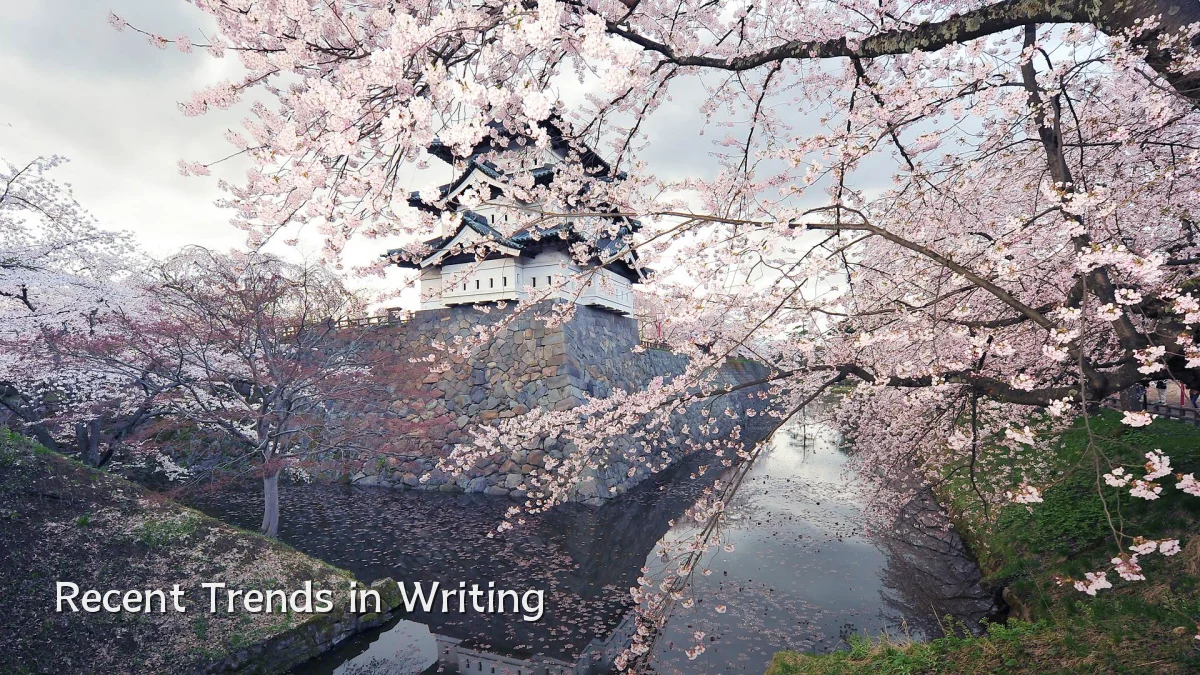
Facilitators are moving beyond standard “write about a childhood memory” or “describe a storm” exercises. Growing interest in sensory constraints, hybrid forms, and multi-modal stimuli reflects a demand for prompts that disrupt habitual thinking. Workshops now borrow techniques from visual art, music, and improv theater—such as composing from a single photograph, rewriting a scene from a soundtrack’s emotional arc, or using only dialogue for ten minutes.
Background: Why Conventional Prompts Sometimes Fall Flat
Traditional prompts often fail because they rely on familiar narrative structures or personal recall, leaving participants who feel blocked or overexposed. Repeating similar themes (e.g., “write about a loss”) can lead to formulaic results. Unconventional prompts aim to lower the stakes by shifting focus from “produce good writing” to “follow an unusual rule,” allowing experimentation without self-judgment.

Common Concerns for Workshop Facilitators
- Participant resistance – Some writers may find odd constraints frustrating or gimmicky; facilitators need to frame the exercise as a low-risk exploration.
- Time management – Unconventional prompts sometimes require extra explanation or examples, eating into writing and sharing time; prepping one clear example helps.
- Balancing structure and freedom – Too strict a rule can stifle creativity; too loose can replicate old habits. Aim for a single constraint (e.g., “no adjectives” or “write in second person”) rather than a list.
Likely Impact of Introducing Unconventional Prompts
Early adopters report increased energy during workshops, more diverse story outcomes, and participants surprising themselves with new voices. However, if prompts feel arbitrary or disconnected from craft goals, some attendees may disengage. The most effective unconventional prompts still serve a clear purpose—like challenging point-of-view habits or breaking out of genre ruts—and are followed by a brief reflective discussion on what the constraint revealed.
What to Watch Next
- AI-assisted prompt generation – Tools that suggest combinatorial rules or “what if” scenarios could let facilitators tailor constraints to a group’s skill level or genre interest.
- Cross-genre exercises – Workshops that blend poetry with dialogue writing, or flash fiction with stage direction, are gaining traction as a way to build versatile skills.
- Community-driven prompt exchanges – Online writing groups now share “prompt libraries” where members vote on or remix each other’s ideas, lowering the burden on a single facilitator.
- Assessment without judgment – A shift toward evaluating the process (did the constraint spark new thinking?) rather than the final product may make unconventional prompts more accepted in academic workshops.